

Healthy Eating 101: A Simple Guide for Seniors
Nutrient-Dense Foods for Seniors
When it comes to healthy eating for seniors, one of the most important concepts to grasp is the idea of nutrient-dense foods. These are the foods that pack a powerful punch in terms of vitamins, minerals, and other essential nutrients, all while being relatively low in calories. As we age, our bodies require different nutrients to maintain energy levels, support our immune systems, and keep our bones and muscles strong. So, let’s dive into some of the best nutrient-dense options that can easily fit into a senior’s diet.
First off, leafy greens are a fantastic choice. Think spinach, kale, and Swiss chard. These greens are not only low in calories but also loaded with vitamins A, C, and K, as well as fiber. Incorporating a salad or a side of sautéed greens into your meals can be a simple way to boost your nutrient intake. Plus, they can be easily added to smoothies, soups, or omelets, making them versatile and easy to enjoy.
Next, let’s talk about fruits. Berries, in particular, are a superstar when it comes to nutrient density. Blueberries, strawberries, and raspberries are rich in antioxidants, which help combat oxidative stress and inflammation in the body. They’re also high in fiber, which is great for digestive health. You can toss them into your morning oatmeal, blend them into a smoothie, or simply enjoy them as a snack. The natural sweetness of berries can satisfy your sweet tooth without the need for added sugars.
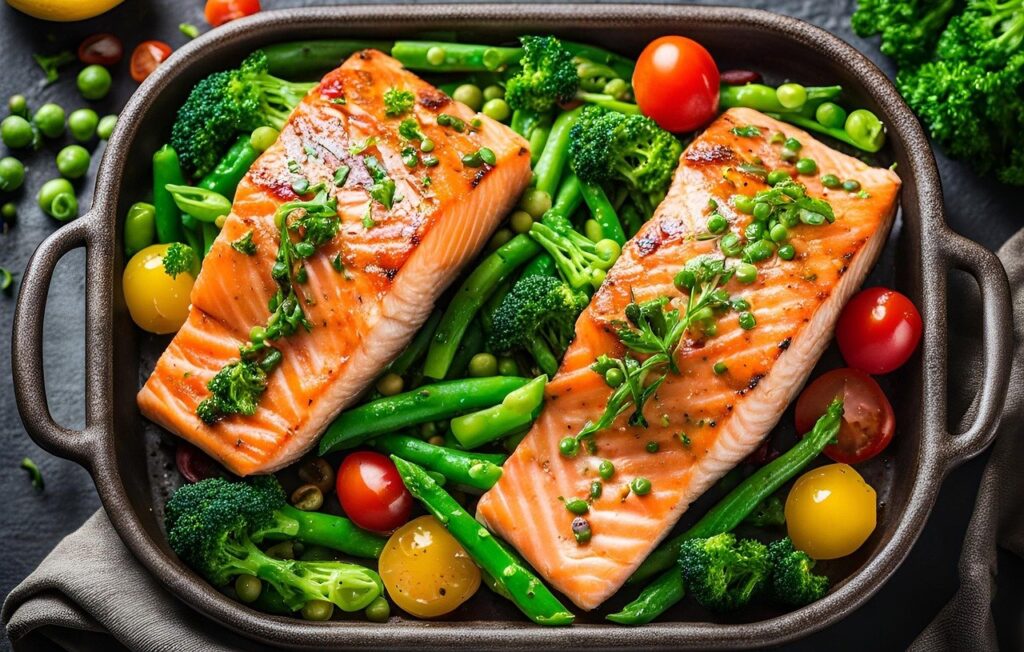
Moving on to proteins, lean meats, fish, and plant-based options like beans and lentils are excellent choices. Fish, especially fatty fish like salmon and mackerel, are packed with omega-3 fatty acids, which are known to support heart health and brain function. If you’re not a fan of fish, don’t worry! Chicken and turkey are also great sources of lean protein. For those who prefer plant-based options, beans and lentils are not only rich in protein but also provide fiber and essential minerals like iron and magnesium. You can easily add them to salads, soups, or even make a hearty bean chili.
Another important group to consider is whole grains. Foods like quinoa, brown rice, and whole-grain bread are excellent sources of complex carbohydrates, which provide sustained energy throughout the day. They also contain fiber, which is beneficial for maintaining healthy digestion. Swapping out white rice or bread for their whole-grain counterparts can make a significant difference in your overall nutrient intake.
Don’t forget about healthy fats! Avocados, nuts, and seeds are not only delicious but also provide essential fatty acids that are crucial for brain health. A handful of nuts can make for a great snack, while adding avocado to your meals can enhance flavor and texture. You might even consider drizzling some olive oil on your salads or vegetables for an extra boost of healthy fats.
Lastly, hydration is key. While it may not be a food, drinking enough water is essential for overall health, especially as we age. Sometimes, we might not feel thirsty, but it’s important to make a conscious effort to stay hydrated. Herbal teas and water-rich fruits and vegetables can help keep you hydrated throughout the day.
Incorporating these nutrient-dense foods into your diet doesn’t have to be complicated. By making small changes and being mindful of what you eat, you can enjoy a variety of delicious meals that nourish your body and support your health as you age. Remember, it’s all about balance and making choices that work for you!
Meal Planning Tips for Healthy Eating
When it comes to healthy eating, especially for seniors, meal planning can be a game changer. It’s not just about what you eat, but also how you prepare and organize your meals. A little planning goes a long way in ensuring that you get the nutrients you need while also enjoying your food. So, let’s dive into some simple meal planning tips that can help make healthy eating a breeze.
First off, it’s essential to start with a well-stocked pantry and fridge. Take a moment to assess what you have on hand. This not only helps you avoid food waste but also sparks ideas for meals. Think about incorporating a variety of fruits, vegetables, whole grains, lean proteins, and healthy fats into your diet. For instance, having a selection of frozen vegetables can be a lifesaver on busy days when you don’t feel like cooking. They’re just as nutritious as fresh ones and can be easily added to any dish.
Next, consider creating a weekly meal plan. This doesn’t have to be complicated; in fact, simplicity is key. You might want to dedicate a specific day each week to sit down and jot down your meals. Start with a few staples that you enjoy and build around them. For example, if you love chicken, plan to have it twice a week in different forms—grilled one day and in a stir-fry another. This not only keeps things interesting but also makes grocery shopping easier since you’ll know exactly what you need.
Speaking of grocery shopping, it’s a good idea to make a list before you head to the store. This helps you stay focused and avoid impulse buys that might not align with your healthy eating goals. When you’re at the store, try to stick to the perimeter where fresh produce, meats, and dairy are usually located. The inner aisles often contain processed foods that can be high in sugar and unhealthy fats. By filling your cart with whole foods, you’re setting yourself up for success.
Another helpful tip is to batch cook. Preparing larger portions of meals and then freezing them in individual servings can save you time and effort during the week. For instance, if you make a big pot of vegetable soup, you can enjoy it for lunch a couple of days and freeze the rest for later. This not only ensures you have healthy options on hand but also makes it easier to resist the temptation of takeout on those days when you just don’t feel like cooking.
Don’t forget to listen to your body and adjust your meal plan as needed. If you find that you’re not enjoying a particular dish or if something doesn’t sit well with you, it’s perfectly okay to switch things up. Healthy eating should be enjoyable, not a chore. Experimenting with new recipes or ingredients can also keep your meals exciting. You might discover a new favorite dish that you never thought you’d like!
Lastly, remember to stay hydrated. Sometimes, we confuse thirst with hunger, so keeping a water bottle nearby can help you stay on track. Drinking enough water is crucial for overall health, especially as we age. So, as you plan your meals, don’t forget to include plenty of fluids throughout the day.
In conclusion, meal planning doesn’t have to be overwhelming. With a little organization and creativity, you can enjoy delicious, nutritious meals that support your health and well-being. By stocking your kitchen wisely, planning your meals, and being flexible, you’ll find that healthy eating can be both simple and satisfying. So, roll up your sleeves and get started on your meal planning journey—you might just find it’s more fun than you expected!
Hydration and Its Importance for Seniors
When it comes to healthy eating, one aspect that often gets overlooked is hydration, especially for seniors. Staying hydrated is crucial for everyone, but as we age, our bodies undergo changes that can make it more challenging to maintain proper fluid levels. So, let’s dive into why hydration is so important and how seniors can ensure they’re drinking enough water throughout the day.
First off, it’s essential to understand that our bodies are made up of about 60% water, and this percentage can decrease as we age. This means that seniors may not feel thirsty even when their bodies need fluids. This lack of thirst can lead to dehydration, which can cause a range of issues, from fatigue and confusion to more severe health problems like kidney stones or urinary tract infections. Therefore, it’s vital for seniors to be proactive about their hydration.
One of the simplest ways to stay hydrated is to make water a regular part of your daily routine. Carrying a water bottle can serve as a gentle reminder to sip throughout the day. You might also consider setting specific times to drink water, such as before meals or during breaks while watching your favorite show. This way, it becomes a habit rather than a chore. Additionally, incorporating hydrating foods into your diet can be a delicious way to boost your fluid intake. Fruits and vegetables like watermelon, cucumbers, oranges, and strawberries are not only refreshing but also packed with nutrients.
Moreover, it’s important to recognize that hydration doesn’t solely come from water. Herbal teas, broths, and even certain juices can contribute to your daily fluid intake. However, it’s wise to be cautious with caffeinated beverages, as they can have a diuretic effect, leading to increased urination. If you enjoy coffee or tea, try to balance it with plenty of water to ensure you’re not inadvertently dehydrating yourself.
Another factor to consider is the environment. Hot weather can increase the risk of dehydration, so seniors should be particularly mindful during the summer months or when spending time outdoors. Wearing lightweight clothing and seeking shade can help, but don’t forget to drink plenty of fluids, even if you don’t feel thirsty. It’s also a good idea to keep an eye on any medications you may be taking, as some can affect your hydration levels. If you’re unsure, a quick chat with your healthcare provider can provide clarity.
As we age, our bodies may not regulate temperature as effectively, which can lead to overheating. Staying hydrated helps maintain a stable body temperature, making it easier to enjoy activities without feeling drained. Plus, proper hydration supports cognitive function, which is particularly important for seniors. Dehydration can lead to confusion or memory issues, so keeping that water bottle handy can help keep your mind sharp.
In conclusion, hydration is a vital component of healthy eating for seniors. By making a conscious effort to drink enough fluids and incorporating hydrating foods into your diet, you can significantly improve your overall well-being. Remember, it’s not just about quenching your thirst; it’s about nurturing your body and mind. So, raise that water bottle and toast to good health!
The TOP 101 Foods that FIGHT Aging… ACCESS HERE!